
ISLAMIC ARCHITECTURE
the history of mosques in turkey
 |  |  |  |  |  |  |
|---|---|---|---|---|---|---|
 |  |  |  |  |  |  |
 |  |  |  |  |  |  |
 |  |  |  |  |  |  |
 |  |

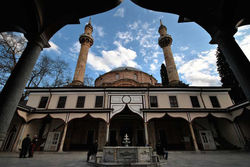
Turkish architecture was influenced by Byzantine, Persian, and Islamic cultures. The religion of Islam does not require a building to worship in, so depending on the environment, materials available, and previous architectural accomplishments in the area, the structure varies. A common type of building is the mosque. Mosques often have a domed roof, a minaret (or multiple minarets), and columns. Iwans, vaults, and qiblas are less common, but still seen throughout mosques worldwide.
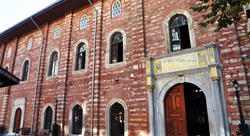
Turkish mosques have changed over times, but still consists of similar concepts and ideas, with one of them being that entrances should be modest. Turkish architects mastered producing structures with perfect harmony in the interior and exterior. The buildings were often simple (structure-wise), but had many details throughout. Overall, turkish mosques were influenced greatly by Byzantine architecture.